
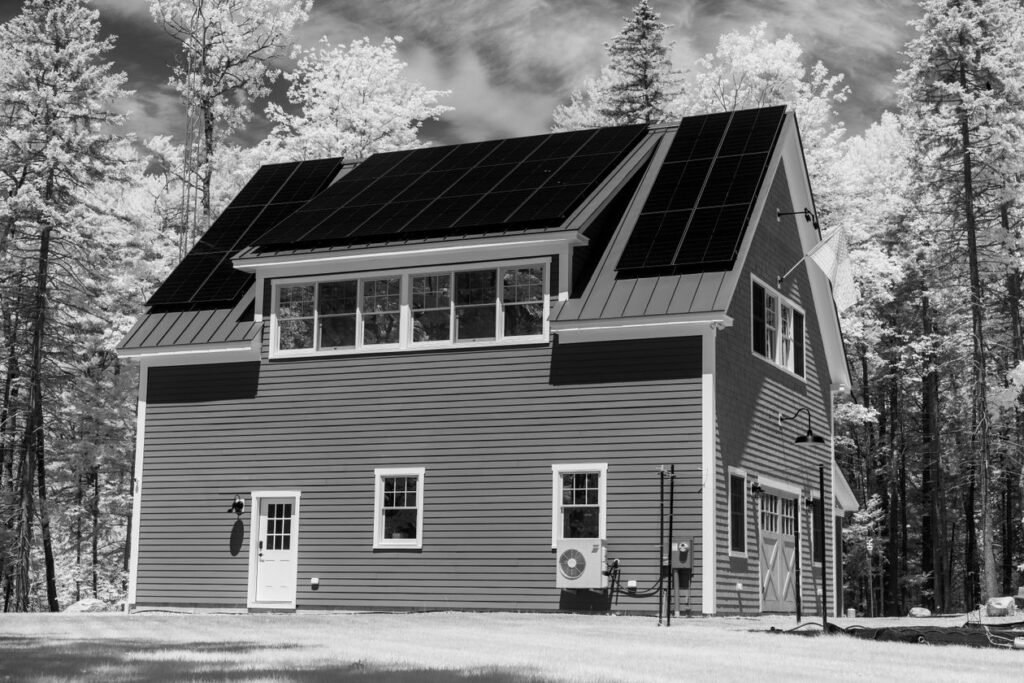
Many families are surprised to learn that a shadow covering a small part of one solar panel can reduce the output of several panels. Trees, chimneys, vent pipes, neighboring buildings and even a satellite dish can all affect how much electricity your system makes.
This guide explains why shade has such a big effect and what you can do about it, whether you are planning a rooftop system or setting up a portable panel in the garden.
Quick answer: Solar panel shading can cut more power than the size of the shadow suggests, because cells and panels are wired in chains. Place panels in full sun, use microinverters or optimizers where shade can’t be avoided, and trim trees where it is allowed.
Key takeaways: solar panel shading
- Solar panel shading on a small part of one panel can lower the output of several panels.
- Bypass diodes reduce the loss from solar panel shading but do not remove it.
- Microinverters and power optimizers limit solar panel shading losses to the shaded panel only.
- Check solar panel shading in every season, because winter shadows are much longer.
Why a little shade can cause a big loss
A solar panel is made of many cells connected in a chain. Electricity flows through the cells one after another, a bit like water through a garden hose. If one cell is shaded, it produces less current and can act like a kink in the hose, limiting the flow through the rest of the chain.
Panels on a roof are often connected in a string as well. In a simple string system, one shaded panel can pull down the output of the whole string.
Bypass diodes: built-in protection
Most panels include bypass diodes. These let electricity “skip around” a shaded section of the panel instead of being blocked. They reduce the loss and protect the cells from overheating, but the skipped section still produces little or nothing, so you do lose some power.
Shade changes with the seasons
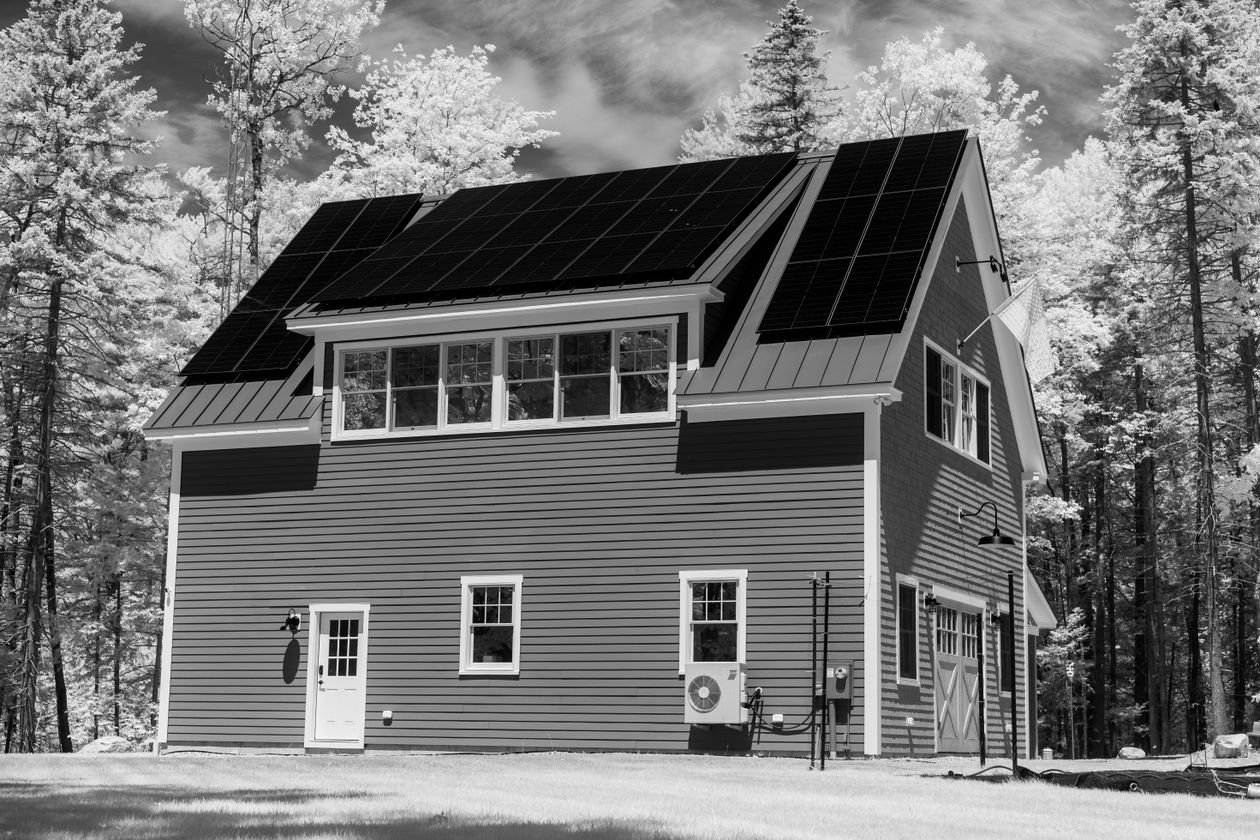
The sun’s path is higher in summer and lower in winter. A tree that never touches your panels in June might shade them for hours in December. Morning and late-afternoon shade can also matter more than you think, especially on east- or west-facing roofs.
Simple test: take photos of your roof or garden every two hours on a sunny day, and repeat in a different season. You will quickly see where shadows fall.
6 practical ways to reduce shading losses
1. Place panels in the sunniest area first
It sounds obvious, but a smaller system in full sun can beat a larger system that is partly shaded. A good installer will design around shadows rather than simply filling the roof.
2. Consider microinverters
With microinverters, each panel has its own small inverter. A shaded panel only reduces its own output instead of dragging down the others. This is a common choice for roofs with several angles or unavoidable shade.
3. Or use power optimizers
Power optimizers attach to each panel and work with a central inverter. Like microinverters, they reduce the effect of one shaded panel on the rest and often allow panel-level monitoring.
4. Trim trees, carefully and legally
Trimming a few branches can make a real difference. Check local rules first, as some areas protect certain trees, and use a professional for large trees or branches near power lines.
5. Keep panels clean
Leaves, bird droppings and heavy dust act like small patches of shade. In most places rain does the job, but see our tips below if you notice output dropping.
6. For portable panels, move them
The big advantage of a portable panel is that you can chase the sun. Re-position it every hour or two, keep it away from the shadow of your house, fence or vehicle, and make sure no cable or bag is lying across the cells.
How to tell if shade is costing you power
- Compare daily production in your system’s app on clear days across the year.
- With panel-level monitoring, look for one panel that is always lower than its neighbors at the same time of day.
- Watch the output of a portable panel on your power station’s display when a cloud or shadow passes. The drop is often dramatic.
Questions to ask an installer
- Did you do a shade analysis for every season, not just today?
- Which inverter type do you recommend for my roof, and why?
- What production estimate did you use, and does it include shading losses?
- Will I be able to see each panel’s output in the monitoring app?
Solar panel shading: frequently asked questions
How much power do solar panels lose in shade?
It depends on how much of the panel is shaded and how the system is wired. Because cells and panels are connected in chains, even a small shadow can cut output by much more than its size suggests, especially in a simple string system.
Do microinverters really help with shade?
Yes. With microinverters, each panel works on its own, so a shaded panel only reduces its own output instead of pulling down the others. Power optimizers offer a similar benefit with a central inverter.
Do solar panels work on cloudy days?
They still produce some electricity, but much less than in full sun. Cloud cover reduces light evenly, which is different from a hard shadow from a tree or chimney falling on part of a panel.
Should I cut down trees for solar panels?
Trimming a few branches often solves the problem. Check local rules first, as some trees are protected, and use a professional for large trees or branches near power lines.
Related guides on KHAMOVA
- Solar Panel Direction and Tilt Angle Guide
- How to Clean Solar Panels Safely
- Monocrystalline vs Polycrystalline vs Thin-Film Solar Panels
The bottom line
Shade is one of the biggest hidden reasons solar systems underperform. Understand where shadows fall during the year, put panels in the sunniest spots, and choose microinverters or optimizers when shade cannot be avoided. If you are just starting out, our beginner’s guide on how solar energy works at home explains the basics.