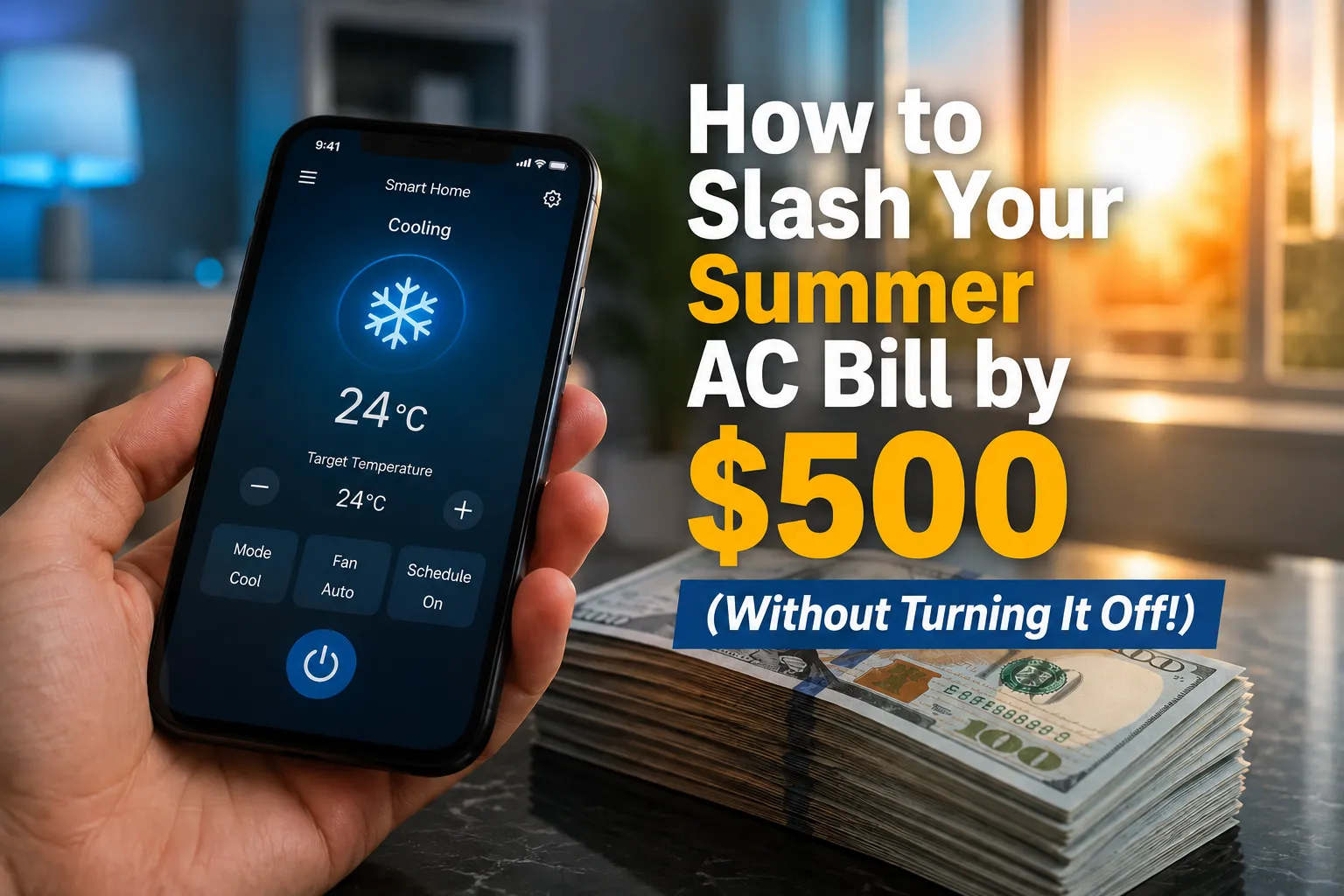
How to Slash Your Summer AC Bill by $500 (Without Turning It Off!)
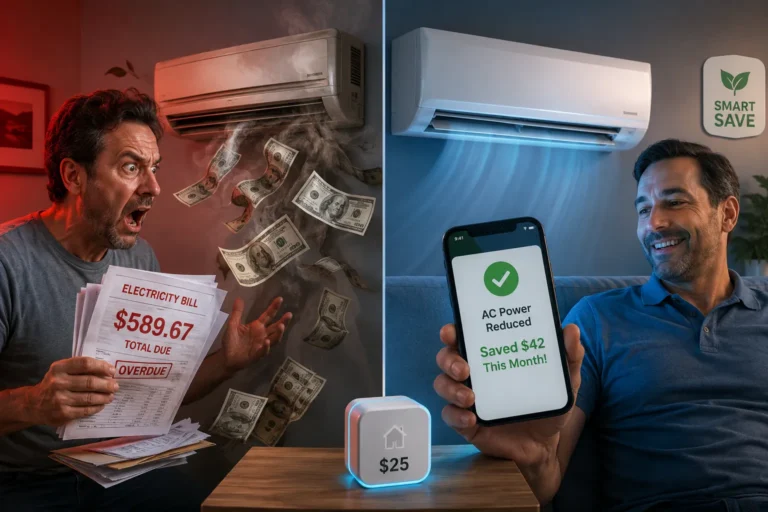
Australian summer electricity bills can get ugly fast. One month of relentless heat, an air conditioner running on autopilot, and a handful of appliances quietly consuming electricity can turn a normal household bill into a $1,000+ summer shock.
And here is the frustrating part: you do not necessarily need to stop using your air conditioner to bring that bill down.
The real opportunity is to stop paying for cooling when nobody needs it.
If your current air conditioner relies on a basic infrared remote, it probably has no idea whether you are home, at work, asleep, or halfway across town. It simply follows the last setting you gave it. That creates a very expensive problem: your AC can continue cooling an empty house simply because nobody remembered to turn it off.
The same principle applies to other equipment around your home. TVs, entertainment systems, chargers, printers, kitchen appliances, and networking equipment can continue drawing electricity while you are not actively using them.
The solution is automation.
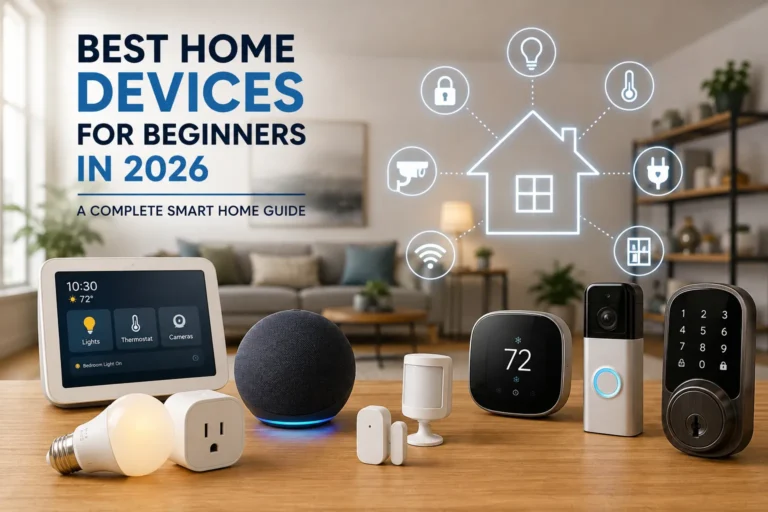
A Smart AC controller Australia solution can give an older compatible air conditioner the intelligence it never had, while smart plugs with energy monitoring can help identify and control unnecessary electricity consumption elsewhere.
This guide focuses on one objective: reduce wasted energy without making your summer less comfortable.
The $1,000 Summer Electricity Bill Problem
The biggest mistake homeowners make is treating their electricity bill as one giant number.
It is not.
Your bill is the result of dozens of individual energy decisions happening every day. The air conditioner is often one of the largest opportunities because cooling can run for hours at a time, particularly during hot Australian summers.
Imagine leaving home at 8:00 a.m. and returning at 6:00 p.m. If the AC continues cooling an empty house for much of that period, you are paying for comfort that nobody is experiencing.
Then consider weekends, unexpected schedule changes, school runs, shopping trips, and days when someone simply forgets to change the thermostat.
This is where automation becomes powerful.
Instead of relying on memory, you allow technology to make the decision automatically.
A Smart AC controller Australia device can sit between your existing air conditioner and your daily routine. Rather than replacing the entire AC system, it can potentially add smart controls to compatible infrared-controlled units.
That distinction matters.
You do not necessarily need to spend thousands replacing an otherwise functional air conditioner just to gain smarter scheduling and remote control.
The Main Hack: Automate Your Air Conditioner With Sensibo Sky

[Link: Best Smart AC controller Australia]
If your air conditioner uses an infrared remote, Sensibo Sky is one of the most interesting ways to add smart control without replacing the AC itself.
The concept is straightforward.
You install the Sensibo controller in the same room as the air conditioner, connect it to Wi-Fi, configure your AC through the app, and then create automated rules around your lifestyle.
The biggest feature for reducing waste is geofencing.
Geofencing allows the system to use your phone’s location as a trigger. When the system recognizes that you have left the relevant area, it can automatically adjust or switch off the air conditioner according to your configured settings.
That solves the classic problem:
“I left home and forgot to turn the AC off.”
Instead of depending on memory, the system can react to your departure.
Why Geofencing Can Save Serious Money
Think about your AC usage differently.
Suppose your air conditioner normally remains on while you are away for several hours because you forgot to switch it off. You are not receiving any comfort from that electricity consumption.
Now imagine that happening repeatedly throughout summer.
The potential savings come from eliminating those unnecessary operating hours.
The exact amount you save will depend on your AC’s power consumption, electricity tariff, climate, house insulation, thermostat settings, and how frequently the AC previously ran while nobody was home.
That means nobody should promise that every Australian household will automatically save exactly $500.
But the principle is extremely powerful:
Stop paying for cooling when there is nobody there to enjoy it.
A Smart AC controller Australia setup makes that possible without forcing you to give up air conditioning.
Your AC Doesn’t Need to Run at Full Blast All Day
Another mistake is thinking that energy efficiency means switching the AC completely off whenever you leave.
Sometimes the smarter strategy is simply to change the operating schedule.
For example, you could configure your system so that the home begins cooling before you normally arrive rather than running continuously throughout the entire afternoon.
This creates a much better balance between comfort and energy consumption.
Instead of:
AC ON → leave home → AC stays ON → return hours later
you can aim for:
Leave home → automation changes AC state → return approaching → AC prepares the home
The exact automation available will depend on the AC model, Sensibo configuration, and your selected settings.
This is why a Smart AC controller Australia device can be more useful than simply buying another programmable timer. It gives you a smarter layer of control over equipment that was never designed around modern connected-home routines.
Step 1: Install the Controller
Start by placing the Sensibo Sky where it can communicate with the air conditioner’s infrared receiver.
Do not hide it behind furniture or place it somewhere that blocks its communication path.
Connect it to power and follow the setup process in the Sensibo app.
The goal is to establish three things:
- The controller can communicate with the AC.
- The controller has reliable Wi-Fi.
- The app correctly recognizes your air conditioner.
Once the basic setup works, test the important functions manually.
Turn the AC on.
Change the temperature.
Change the operating mode.
Turn it off.
You want to verify everything before creating automation.
Step 2: Build Your Geofence
This is where the system becomes genuinely useful.
Configure your home location and determine what should happen when you leave and return.
For example:
When I leave home:
Reduce cooling or switch the AC off.
When I am approaching home:
Restore the preferred comfort settings.
The exact rules should reflect your household rather than blindly copying someone else’s configuration.
If someone stays home during the day, geofencing based solely on one person’s phone could create unwanted changes.
For families, consider who needs to be included in the automation.
The objective is not simply “turn everything off when one person leaves.”
The objective is:
Avoid cooling an empty house.
That is a much better automation rule.
Step 3: Monitor the Results
Do not guess whether your automation is working.
Measure the results.
For the first week, look at how frequently the AC operates while the house is empty. Then compare that with your previous routine.
After several weeks, examine your electricity usage and compare it with similar periods where practical.
Remember that weather can dramatically affect Australian electricity consumption. A particularly hot week may require more cooling even if your automation is working perfectly.
The goal is not to make the bill fall every single day.
The goal is to systematically eliminate unnecessary consumption.
A Smart AC controller Australia setup becomes much more powerful when you combine automation with actual energy monitoring.
The Quick Win: Attack Vampire Power
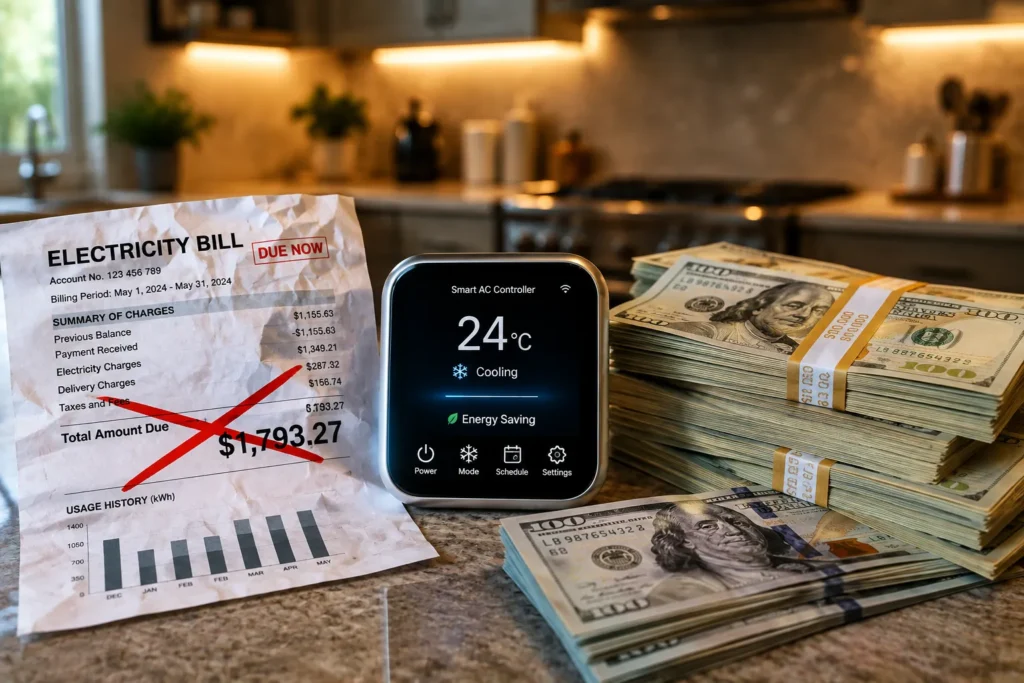
Your air conditioner may be the biggest target, but it is not necessarily the only source of wasted electricity.
Some appliances consume electricity even when you are not actively using them.
This is commonly called standby or vampire power.
Think about your entertainment area.
You might have:
- Television
- Streaming device
- Soundbar
- Game console
- Blu-ray player
- Speakers
- Chargers
- Computer equipment
Each individual device may consume relatively little standby energy.
But collectively, unnecessary consumption can add up.
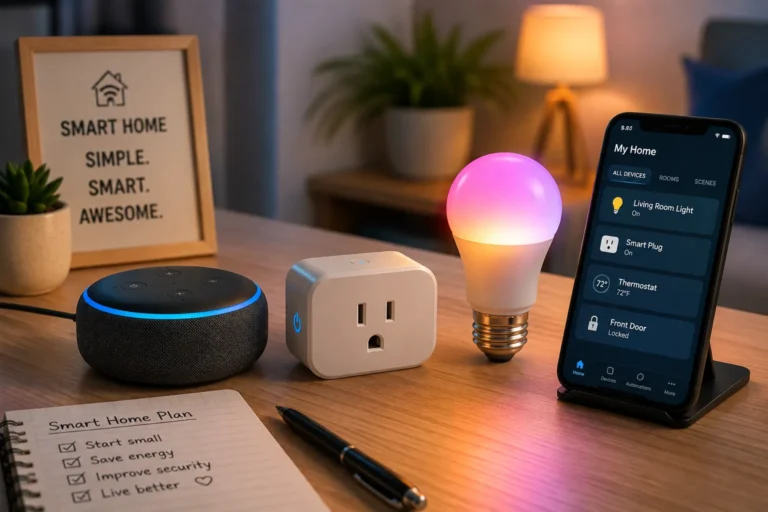
This is where smart Wi-Fi plugs with energy monitoring become useful.
[Link: Recommended Smart Plugs]
Instead of guessing which devices are consuming electricity, an energy-monitoring smart plug can help you see consumption for compatible connected loads.
That gives you something extremely valuable:
data.
Don’t Guess Where Your Electricity Is Going
Energy monitoring changes the conversation.
Instead of saying:
“I think my TV uses a lot of power.”
you can ask:
“How much electricity is this setup actually consuming?”
That distinction matters.
You may discover that one device consumes far less than expected while another appliance deserves attention.
Use smart plugs strategically.
A plug can be particularly useful for equipment that:
- Does not need to operate continuously.
- Has a predictable schedule.
- Can safely be switched off.
- Has meaningful standby consumption.
- Is difficult to remember to turn off manually.
But do not put every appliance on a smart plug.
Some equipment should remain continuously powered, and certain appliances can have manufacturer-specific requirements.
Always check the device instructions and the smart plug’s maximum rated load before connecting anything.
The $500 Strategy: Stack Small Savings
The most persuasive part of this strategy is that you do not need one magical $500 saving.
You can build the result from several smaller reductions.
For example:
AC automation: eliminate unnecessary cooling while nobody is home.
Smarter scheduling: avoid running the system earlier or longer than necessary.
Energy monitoring: identify appliances consuming more electricity than expected.
Smart plugs: automate compatible standby loads.
Behavioural feedback: use actual consumption data to find additional opportunities.
Each improvement may look relatively small.
Together, they can become meaningful.
This is the same principle used in many successful energy-efficiency projects: attack the largest sources first, measure what happens, and then optimize the smaller loads.
Why a Smart AC Controller Beats a New AC for This Job
Replacing an air conditioner can be expensive.
If your existing unit still cools effectively, replacing it solely to gain smart control may not make financial sense.
A Smart AC controller Australia option can potentially provide smart functionality while allowing you to keep the existing system.
That is particularly interesting for renters or homeowners who do not want to undertake a major HVAC installation.
You are effectively adding a smarter control layer.
Instead of replacing the engine, you are upgrading the steering wheel.
Of course, compatibility matters. Not every air conditioner will work with every controller, so verify compatibility before purchasing.
Your 3-Step Summer Energy Action Plan
You do not need a weekend-long smart-home project.
Start with these three steps.
Step 1: Automate the AC
Choose a compatible Smart AC controller Australia solution and connect your existing air conditioner.
Set up your basic schedule.
Then configure geofencing so the system responds when your household leaves and returns.
Your first objective is simple:
Stop cooling an empty home.
Step 2: Find Your Vampire Loads
Install an energy-monitoring smart plug on a suitable appliance or entertainment setup.
Watch its consumption.
Do not assume.
Measure.
Once you identify unnecessary usage, create an appropriate schedule or automation.
Step 3: Review Your Electricity Usage
After several weeks, compare your usage with previous periods while accounting for major differences in weather and household behaviour.
Look specifically for:
- Hours of AC operation while away.
- Unexpected overnight operation.
- Appliances consuming unnecessary standby energy.
- Automation failures.
- Devices that need better scheduling.
Then optimize.
The Bottom Line
You do not have to spend your Australian summer sweating in the dark to reduce your electricity bill.
The smarter strategy is to eliminate wasted energy while keeping the comfort you actually want.
The air conditioner is the obvious place to begin because cooling can represent a substantial portion of household electricity use during hot weather. A Smart AC controller Australia solution such as Sensibo Sky can add automation, remote control, and location-based routines to compatible air conditioners.
Then use smart plugs with energy monitoring to identify other unnecessary consumption.
The critical idea is simple:
Don’t sacrifice comfort. Automate waste.
A $500 reduction should be treated as a target rather than a guaranteed result because every home has different electricity rates, AC efficiency, insulation, weather exposure, household routines, and appliance loads.
But the strategy is sound: find the hours when your AC is running unnecessarily, eliminate them, measure the difference, and repeat the process across the rest of your home.
Your electricity bill does not need to control your summer.
Your smart home can.
Ready to start? Check your current AC setup, confirm compatibility, install your smart controller, and create your first “Away” automation tonight.
- For more information click here