
The Ultimate Guide to Non-Toxic Hair Care: Why Ordinary Shampoos May Be Irritating Your Scalp and 2 Clean Brands to Try
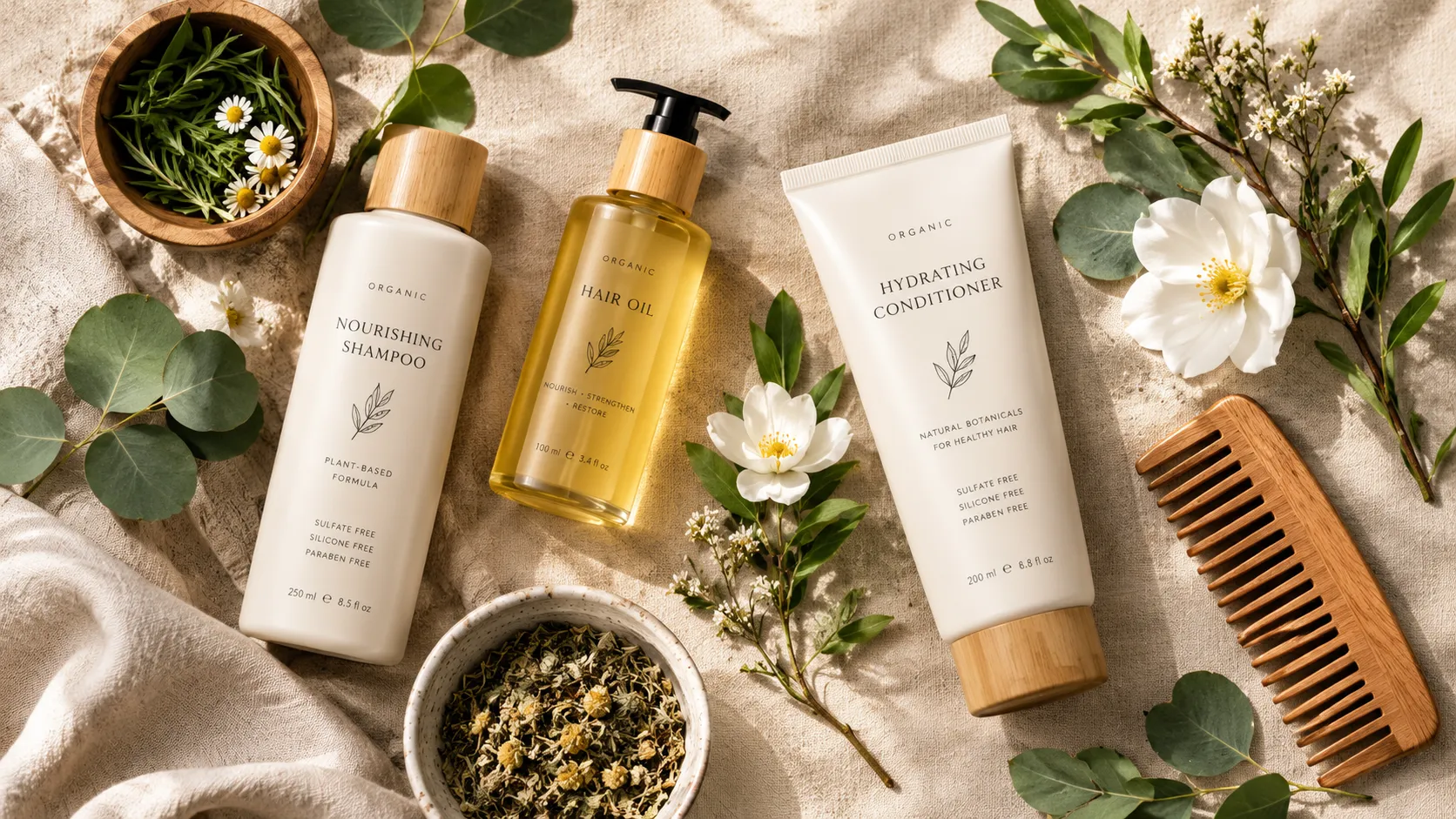
Your hair-care routine may look harmless, but some conventional shampoos and conditioners contain ingredients that can be harsh on the hair and scalp. Strong cleansing agents, heavy fragrances, certain preservatives, and coating ingredients can leave some people dealing with dryness, irritation, buildup, or hair that feels difficult to manage.
That is why non-toxic hair care has become an increasingly popular approach for people who want a simpler, more mindful beauty routine.
Switching to cleaner products does not mean replacing everything in your bathroom overnight. A better approach is to understand what you are using, identify ingredients that do not work well for you, and gradually choose formulas that suit your scalp and hair type.
In this guide, we will look at common ingredients found in traditional hair products, explain what to look for in a cleaner routine, and explore two popular brands: Innersense Organic Beauty and Briogeo.
The Hidden Concerns With Traditional Hair Products
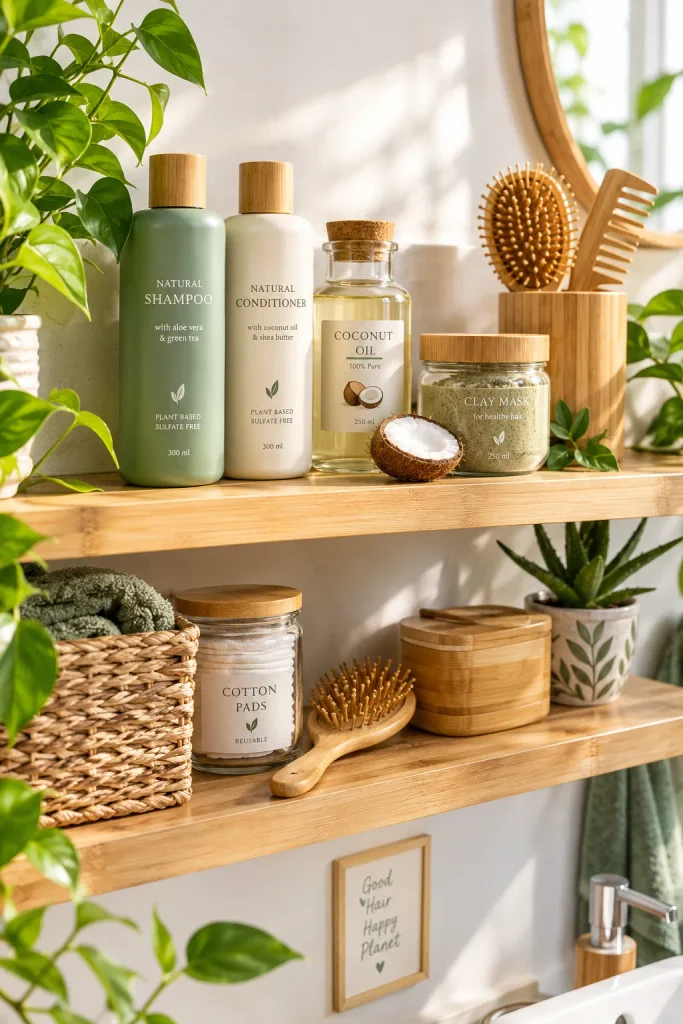
Not every conventional shampoo is harmful, and the presence of a particular ingredient does not automatically mean a product is dangerous. However, some ingredients can be irritating or unsuitable for certain people, especially when used frequently.
Sulfates and Strong Cleansing
Sulfates such as sodium lauryl sulfate (SLS) and sodium laureth sulfate (SLES) are commonly used to create the rich lather many people associate with clean hair.
For some users, these cleansing agents can feel too aggressive. Frequent washing with strong cleansers may contribute to dryness or leave the scalp feeling tight, particularly if you already have dry or sensitive skin.
This is one reason sulfate-free shampoo has become a popular natural hair care swap.
Fragrance and Sensitive Scalps
Fragrance can make a shampoo smell luxurious, but fragrance ingredients may irritate people with sensitive skin.
If your scalp becomes itchy, uncomfortable, or unusually dry after using a product, simplifying your routine and choosing a fragrance-conscious formula may be worth considering.
Silicones and Product Buildup
Certain silicones are used to make hair feel smoother and easier to comb. They are not automatically “bad,” but some types can contribute to buildup depending on the formula, your hair type, and how frequently you wash.
If your hair feels coated, heavy, or difficult to moisturise, experimenting with lighter formulas may help.
Preservatives and the “Clean” Beauty Question
Preservatives are important because they help prevent microbial growth in water-based cosmetics. The goal of a clean beauty routine should therefore not be to eliminate every synthetic ingredient.
Instead, look for products with transparent ingredient lists and formulas designed around your individual needs.
What Makes Hair Care Truly “Non-Toxic”?
There is no single universal legal definition of “non-toxic hair care.” The term is often used by brands and consumers to describe products that avoid certain ingredients they prefer not to use.
A practical approach is to focus on transparency rather than marketing claims.
When choosing a product, consider:
- A clearly listed ingredient list
- Ingredients that suit your scalp and hair type
- Sulfate-free options if strong cleansers cause dryness
- Products without unnecessary heavy fragrance if you are sensitive to it
- Responsible packaging and refill options where available
- Cruelty-free or plant-focused formulas if these values matter to you
- Brand transparency about sourcing and formulation
The best product is not necessarily the one with the longest list of “free-from” claims. It is the one that works well for your hair while fitting your personal priorities.
Non-Toxic Hair Care Brand #1: Innersense Organic Beauty
Innersense Organic Beauty is a popular choice for shoppers interested in clean beauty and ingredient-conscious hair care.
The brand focuses heavily on plant-derived ingredients and professional-quality hair products, making it particularly appealing to people who want to build a more refined clean beauty routine.
Why Consider Innersense?
One of the biggest attractions is the brand’s focus on formulas designed for different hair needs rather than offering a one-size-fits-all approach.
Depending on your hair type, you can explore products aimed at:
- Hydration
- Volume
- Smoothing
- Colour-treated hair
- Curly or textured hair
- Scalp and hair nourishment
If you are replacing a conventional shampoo, starting with a gentle cleanser and pairing it with a suitable conditioner can be an easy first step.
Is Innersense Right for You?
Innersense may be a good option if you want a premium hair-care routine with an emphasis on ingredient transparency and a more natural-inspired product philosophy.
However, premium products can cost more than supermarket alternatives. If you are switching your routine on a budget, start with one product rather than replacing your entire collection.
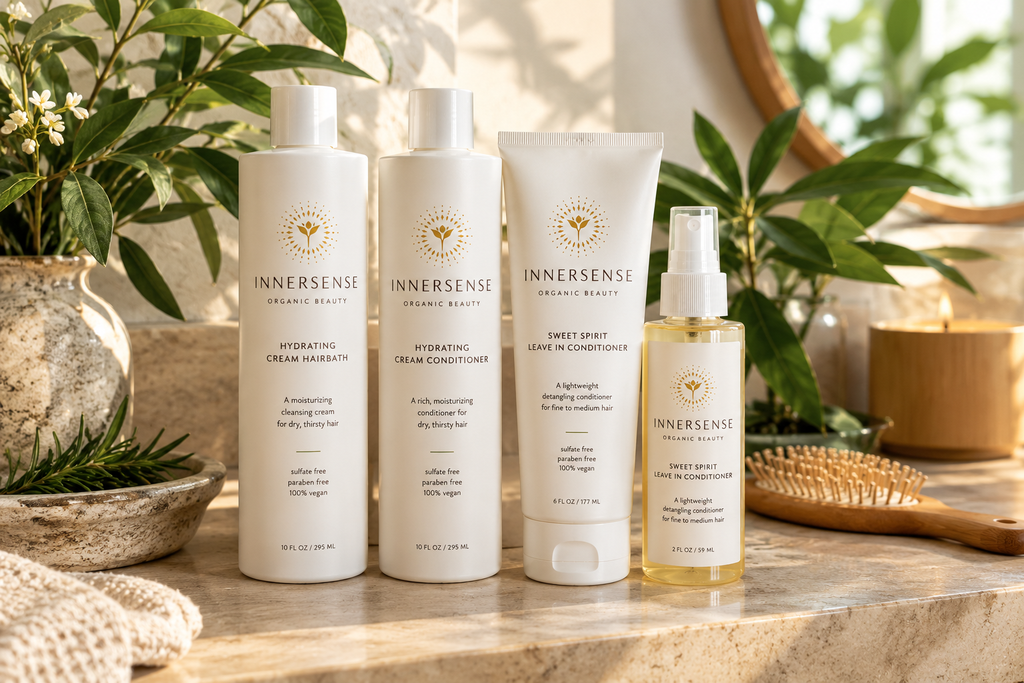
Innersense Organic Beauty is a pioneer in clean, non-toxic hair care. Their nutrient-rich formulas harness the power of certified organic plant ingredients to restore moisture, heal your scalp, and bring out your hair’s natural vitality without harmful sulfates or synthetic fragrances.
Non-Toxic Hair Care Brand #2: Briogeo
Another brand worth exploring is Briogeo, which has built its reputation around formulas designed for different hair types and concerns.
The brand offers products focused on hydration, repair, scalp care, curls, frizz, and damaged hair.
What Makes Briogeo Different?
Briogeo is particularly interesting if your goal goes beyond simply finding a shampoo.
Its range includes products designed to support different parts of a complete hair-care routine, allowing you to build a routine based on your specific concerns.
For example, someone dealing with a dry scalp may prioritise scalp-focused products, while someone with damaged hair may look for strengthening and conditioning options.
Briogeo for Scalp Health
A healthy-looking hair routine starts with the scalp.
If your scalp feels dry, uncomfortable, or overloaded with styling products, adding a gentle scalp-care step may be more useful than simply buying another conditioner.
Briogeo’s scalp-focused products can be worth exploring if you want to make toxic-free scalp care part of a broader clean beauty routine.
As always, check the current ingredient list before purchasing, particularly if you have known sensitivities.
Simple Steps to Transition to Non-Toxic Hair Care
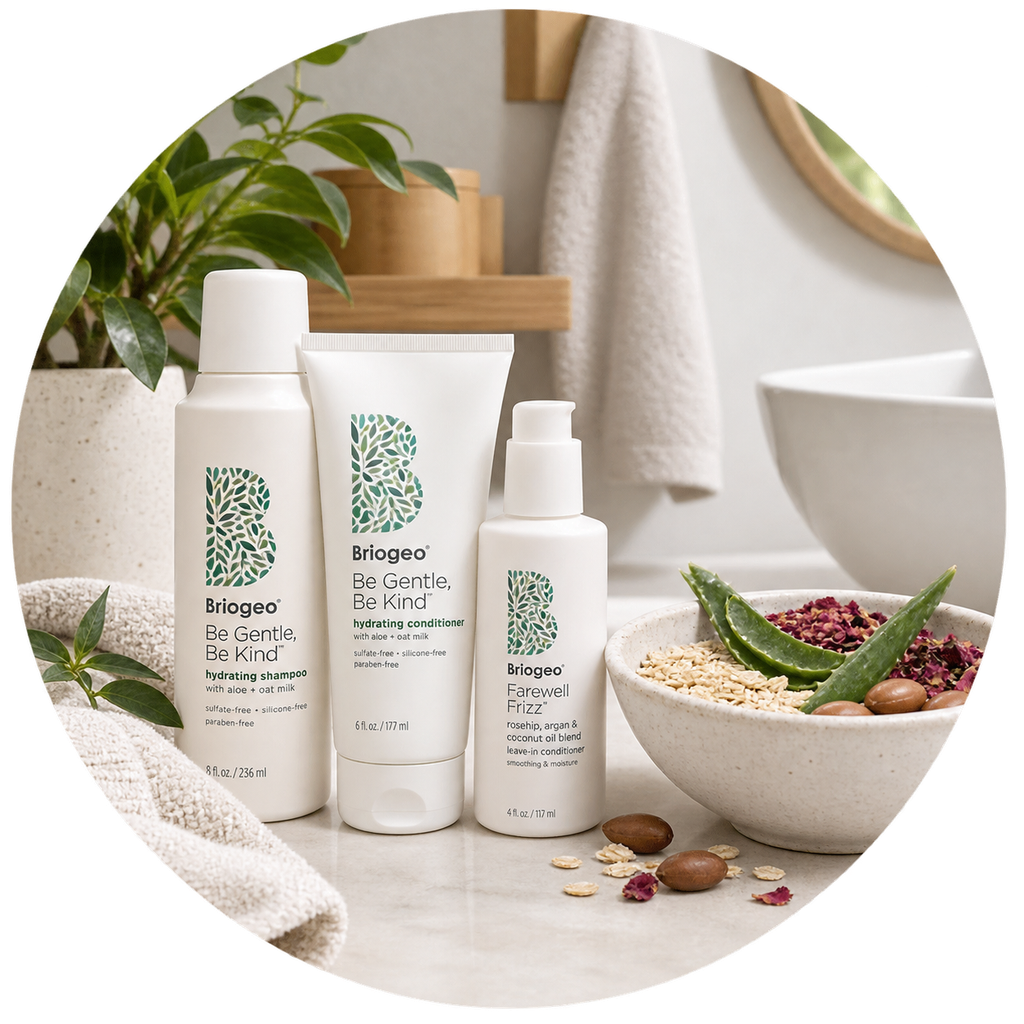
You do not need to throw away every product you own.
A gradual transition is usually easier, more affordable, and less wasteful.
1. Start With Your Shampoo
Your shampoo is one of the easiest places to begin.
If traditional formulas leave your scalp feeling dry or uncomfortable, try a sulfate-free shampoo and see how your hair responds.
2. Avoid Changing Everything at Once
Changing shampoo, conditioner, mask, styling products, and treatments simultaneously makes it difficult to know which product is helping or causing a problem.
Replace one product at a time.
3. Pay Attention to Your Scalp
Your scalp can give you useful feedback.
Look for changes in:
- Dryness
- Oiliness
- Itching
- Flaking
- Product buildup
- Overall comfort
Persistent scalp problems should be discussed with a qualified healthcare professional or dermatologist rather than treated solely through cosmetic products.
4. Simplify Your Routine
More products do not necessarily mean healthier hair.
A simple routine might include:
Gentle shampoo → conditioner → occasional treatment → minimal styling products
This can reduce product waste while making your bathroom routine easier to manage.
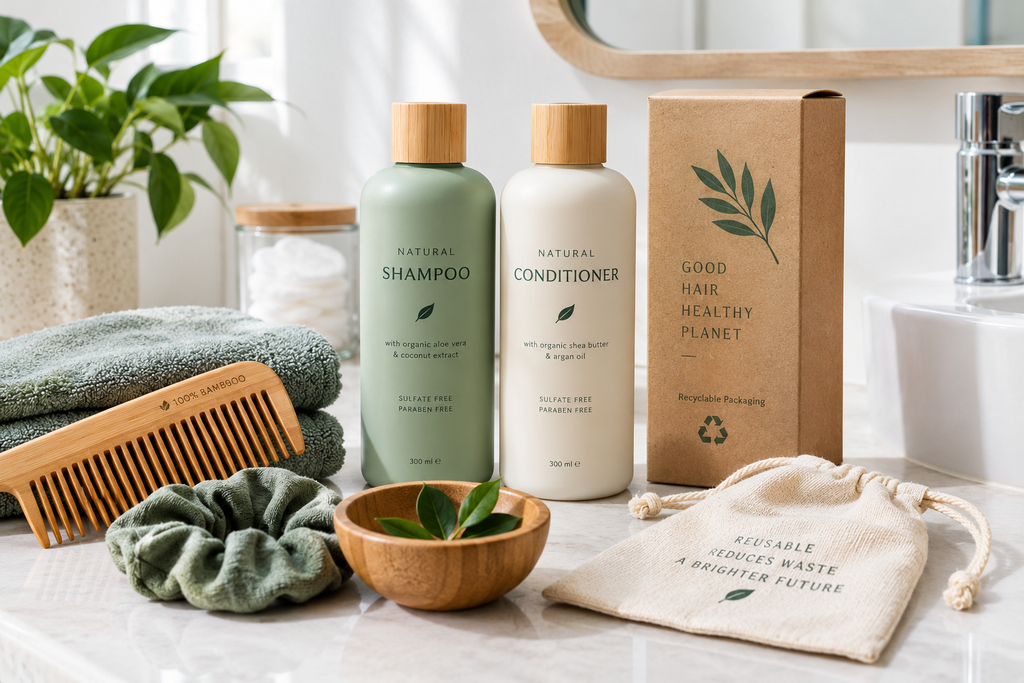
5. Make Sustainable Swaps
Non-toxic hair care can also connect with eco-friendly living.
When replacing products, consider packaging, product concentration, refill options, and how much you actually use.
Choosing products that last longer and avoiding unnecessary purchases can be just as valuable as switching ingredients.
Are Natural Hair Care Swaps Worth It?
They can be, especially if you have identified products that leave your hair or scalp feeling uncomfortable.
But “natural” does not automatically mean better.
Natural ingredients can still cause allergic reactions or irritation, while synthetic ingredients are not automatically harmful simply because they are synthetic.
The smarter approach is to look beyond labels and evaluate the complete formula, your personal sensitivities, product performance, packaging, and the company’s transparency.
Frequently Asked Questions
How long does it take hair to adjust after switching to sulfate-free shampoo?
There is no fixed “detox” period for hair. Some people notice a difference after their first few washes, while others need more time to adjust to a different cleansing formula.
If your hair feels greasy or different initially, avoid assuming that it is “detoxing.” Your hair may simply be responding to a different formulation or washing routine.
Is sulfate-free shampoo better for everyone?
Not necessarily. Sulfate-free formulas can be useful for people who find stronger cleansers drying or irritating, but different hair types have different needs.
The best shampoo is the one that cleans effectively without leaving your scalp or hair uncomfortably dry.
Can non-toxic hair care make hair healthier?
A well-chosen routine can help your hair look and feel better, particularly when it reduces irritation, excessive dryness, or unnecessary product buildup.
However, cosmetic hair products cannot treat every scalp or hair condition. Persistent hair loss, severe irritation, or unexplained scalp changes deserve professional medical advice.
Final Thoughts: Make One Clean Hair Care Swap
Moving toward non-toxic hair care does not have to be expensive, complicated, or extreme.
Start small.
Replace your shampoo with a formula that better suits your scalp. Simplify your routine. Pay attention to ingredients. Choose products from brands that clearly communicate what they put into their formulas.
Innersense Organic Beauty and Briogeo are two options worth exploring if you want to build a more ingredient-conscious clean beauty routine.
Most importantly, remember that cleaner living is not about achieving perfection. It is about making better choices where they make sense — for your hair, your home, and the environment.
If your current hair-care routine is not working for you, your next natural hair care swap could be as simple as changing the shampoo sitting in your shower.
- For more information click here